





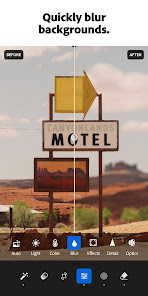

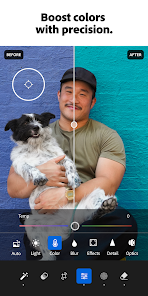
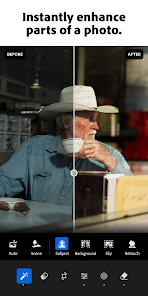




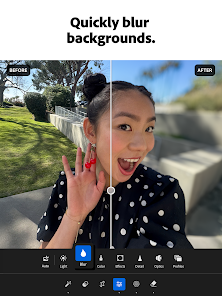
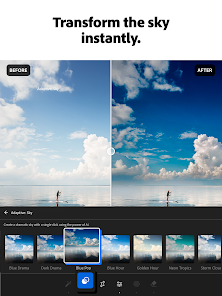
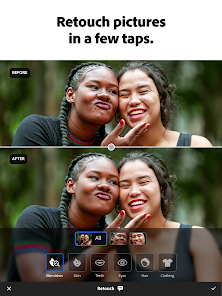
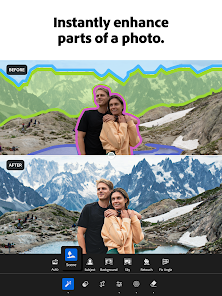
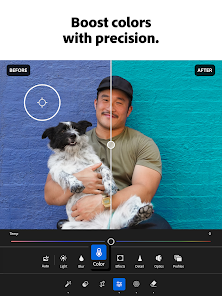


Adobe Lightroom is one of the most popular photo editing software applications on the market. It has been a mainstay in the photography world for many years, and for good reason. Adobe Lightroom is packed with features and tools that allow you to edit your photos to perfection. Whether you are a beginner or an experienced photographer, there is something in Lightroom for you. In this blog post, we will take a look at some of the best features of Adobe Lightroom and how to use them to improve your photography workflow. We will also explore some tips on editing images and enhancing them using Lightroom.
Features and Functions Lightroom is a powerful and versatile photo editing software that can be used to process, organize and share photos with friends or family. With its range of features and functions, Lightroom can help you to improve your photography skills and achieve the results you desire. How to Use Adobe Lightroom App How to Use Adobe Lightroom App Pros & Cons Adobe Lightroom App Pros: -Can be used on a phone or computer -Has a good library of presets -Can add effects, filters, and frames -Includes presets for photography, weddings, and more Adobe Lightroom App Cons: -Can be difficult to use for beginners Who shall Use Lightroom App Lightroom can be used by anyone who wants to improve their photos. It is particularly useful for photographers, as it offers a range of advanced editing tools and features. With Lightroom, you can adjust the exposure, color, and other settings of your photos to create professional-looking results. The app is available on both mobile devices and desktop computers, so you can use it on the go or at home. Whether you're a professional photographer or just enjoy taking photos as a hobby, Lightroom can help you take your photos to the next level. Other Information about Lightroom App Adobe Photoshop Lightroom is a photo editing and management software developed by Adobe. It is available on both desktop and mobile platforms, including Windows, macOS, iOS, and Android. Lightroom offers a range of tools and features for editing and managing digital photos, including the ability to adjust colors, apply filters, and work with layers. It also has a number of organizational features, such as the ability to tag and categorize photos, create collections, and access photos across devices. Lightroom is often used by professional photographers and enthusiasts to manage large collections of digital photos and to create high-quality edits. It is part of Adobe's Creative Cloud suite of software.
-Capability to process and organize photos into albums, folders and slideshows
-Ability to adjust lighting, color, sharpness and more
-Support for RAW files (Adobe's digital photography format)
-Integrated editor for creating text, drawings and graphics
-Export capabilities to a variety of formats including JPEG, PNG, TIFF and PDF
Adobe's Lightroom app is a powerful photo editing and management application that can be used on a desktop or mobile device. This guide will show you how to use the app to edit photos, manage your photos, and share them online.
To start using the Lightroom app, open it on your computer. You can find the app in your Programs folder or on your Windows Start menu. If you are using a mobile device, open the App Store or Google Play store and search for "Adobe Lightroom." Once you have the app open, click the New Photo button (or press Ctrl+N) to create a new photo file.
You can also import photos from your computer by clicking the Import button (or pressing Ctrl+I). The Import dialog box will appear with several options. You can select files from your local computer or any cloud storage service that you have registered with Lightroom.
Once you have selected the files that you want to import, click Open. The photos will be imported into the current session of Lightroom. You can continue working on these photos right away or save them for later use. When you are finished editing the imported photos, close the Import dialog box and any open windows ofLightroom.
Lightroom offers many tools for editing photos. To access these tools, click one of the thumbnails in your Photo Library (the main window ofthe app).

 User-friendly interface simplifies photo and video editing for all skill levels. Powerful editing tools enhance creativity and improve visual storytelling. Seamless organization helps manage and find photos effortlessly. Cloud storage allows access to edits from any device, anywhere. Regular updates ensure access to the latest features and improvements.
 Limited offline functionality can hinder editing flexibility. High subscription cost may not suit all budgets. Steeper learning curve for beginners compared to simpler apps.
 Lightroom Photo & Video Editor may collect personal data to enhance user experience and provide personalized services, but users can review the app's privacy policy for detailed information on data collection and usage.
Yes, Lightroom Photo & Video Editor offers a free version with limited features, as well as a trial period for users to explore the full range of premium features before committing to a subscription.
While some features of Lightroom Photo & Video Editor may require an internet connection, such as cloud storage and syncing, many editing functions can be performed offline.
To contact support or send feedback for Lightroom Photo & Video Editor, you can visit the Adobe support website or use the help feature within the app to access resources and customer service options.
You can manage or cancel your Lightroom Photo & Video Editor subscription through the app settings or your account on the Adobe website, where you can also find options for changing your plan.
Yes, customer service can assist you with any subscription-related inquiries, including billing and account issues.
To log in, open the Lightroom app, click on the 'Log In' button, and enter your Adobe ID and password.
You can update your customer number by contacting customer service directly for assistance.
You can activate your account by entering the activation code provided in your purchase confirmation email on the Adobe website.
You can reach customer service through the Adobe website or the help section in the Lightroom app.









 Google Play
  App Store